
The Systems Modeling Language (SysML) is the industry standard for implementing Model-Based Systems Engineering (MBSE). It provides a structured way to represent system architecture, behavior, requirements, and interfaces within a unified modeling framework.

This page is your hub for learning how to apply SysML effectively using real-world examples, practical modeling techniques, and step-by-step tutorials.

Explore topics including:

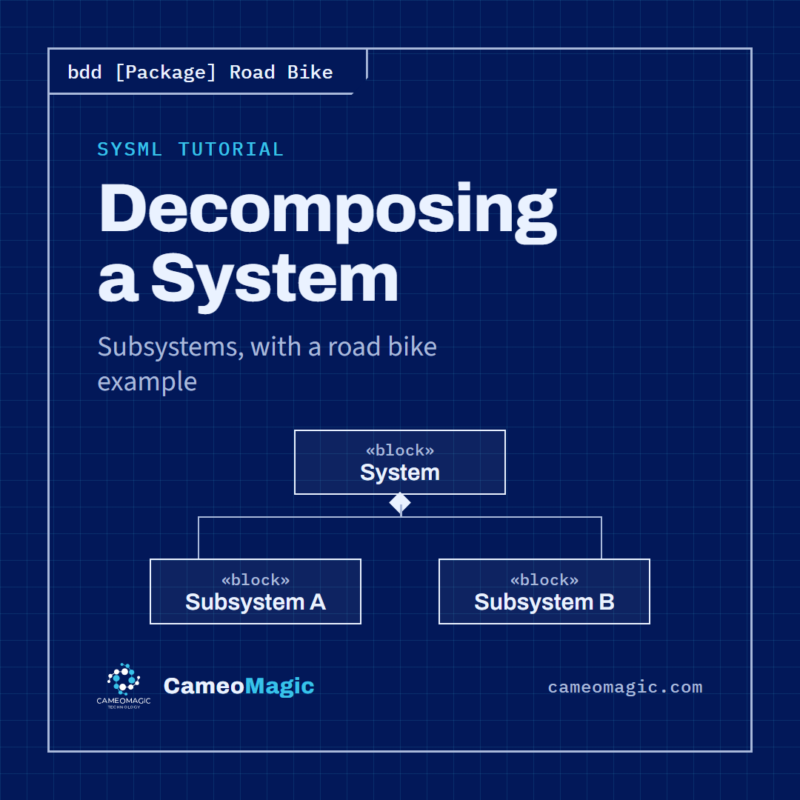
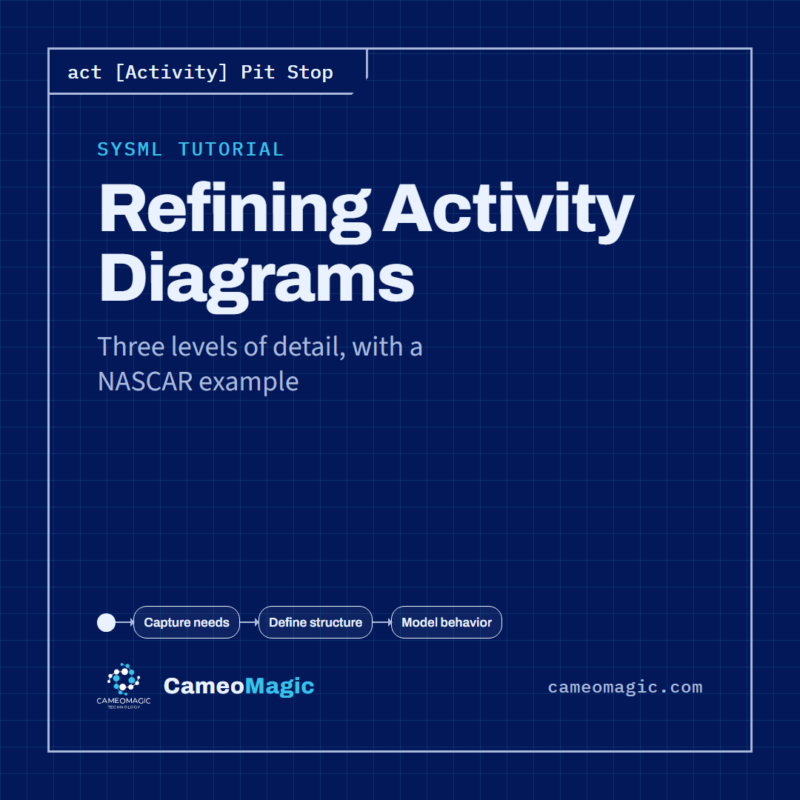
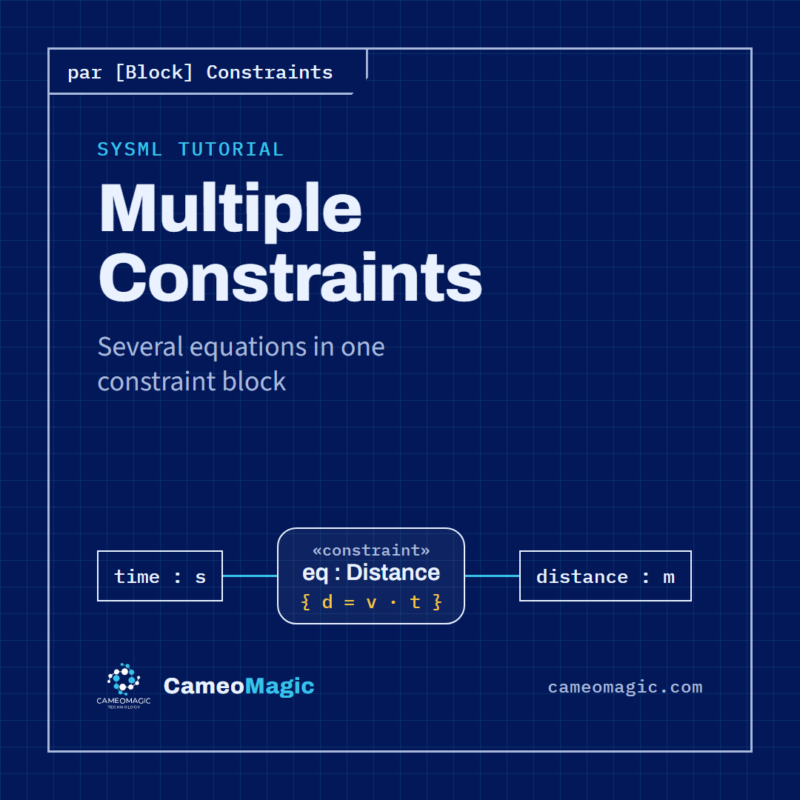
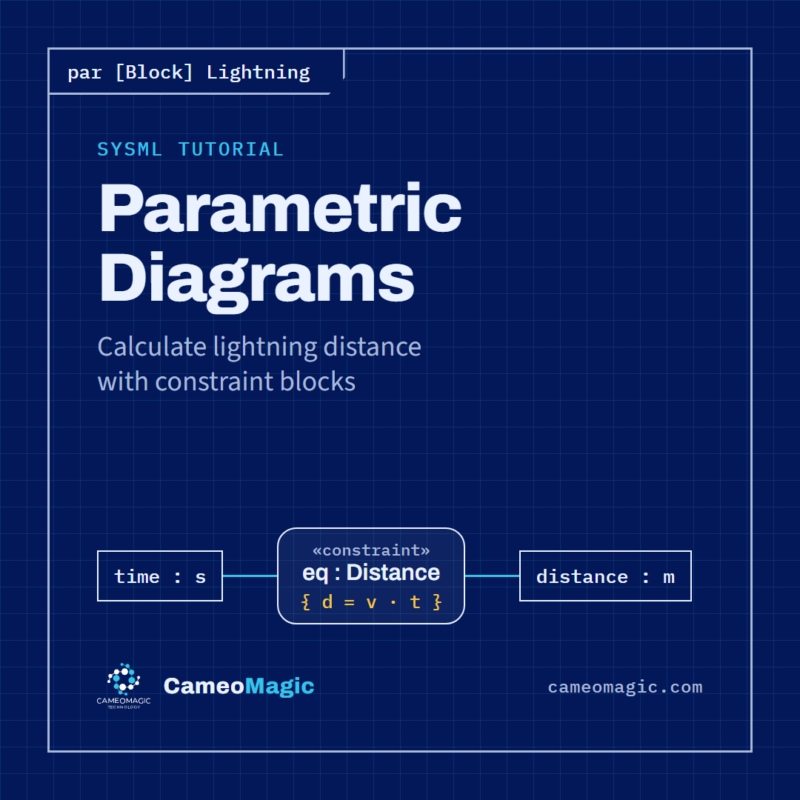
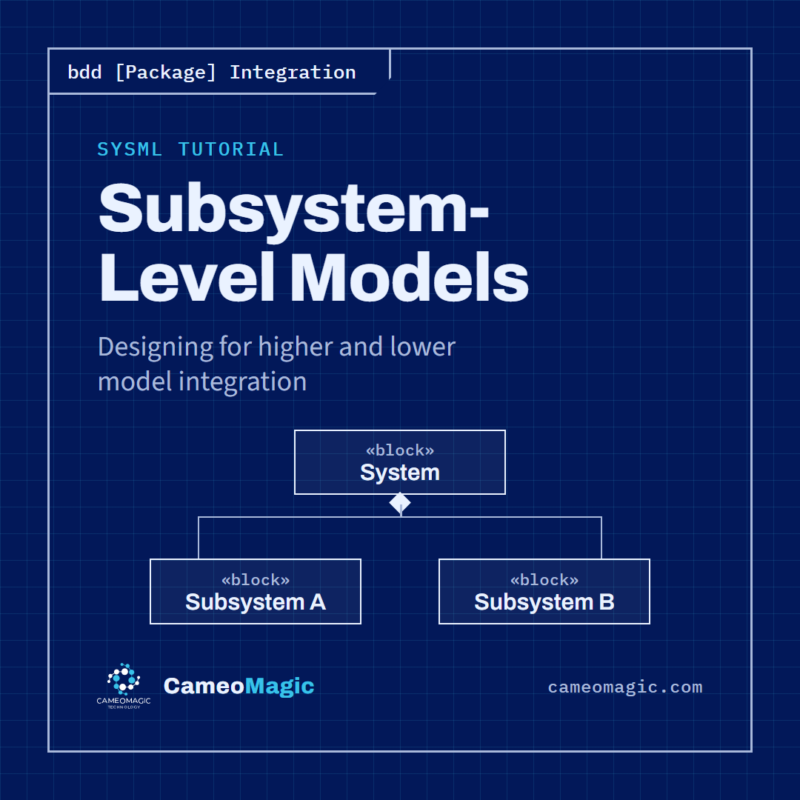
  • SysML diagram types (Activity, Sequence, Block Definition, Internal Block, and more)

  • Interface modeling and system interactions

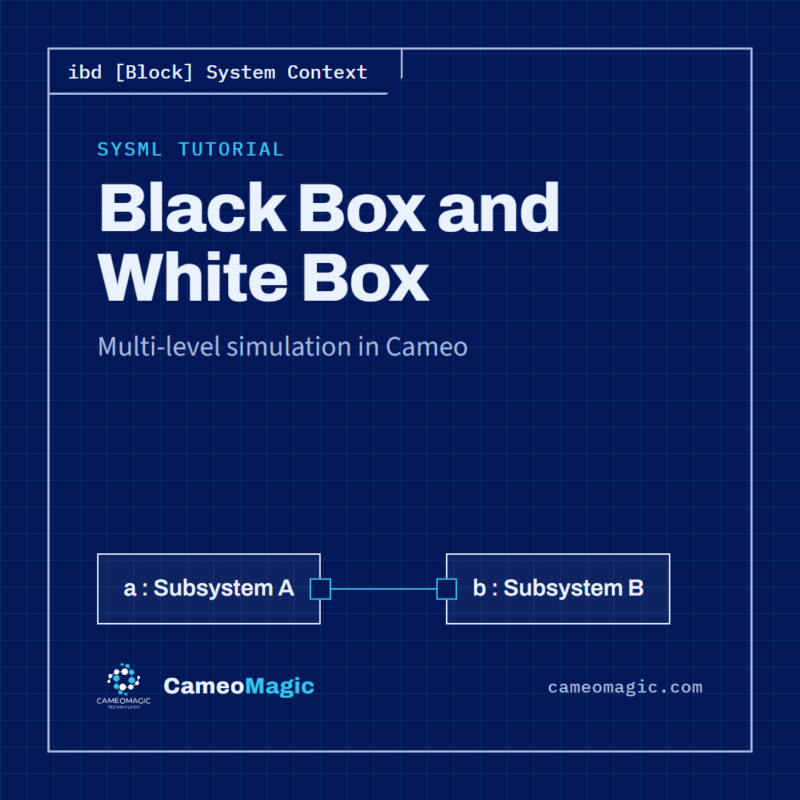
  • Black box vs white box modeling approaches

  • Best practices for building scalable, maintainable system models

Whether you’re preparing for certification or improving your modeling skills, these resources are designed to help you confidently apply SysML in professional environments.

👉 Want hands-on training or certification prep? Explore our SysML training programs.

SysML interface modeling ports connectors and interfaces explained in MBSE

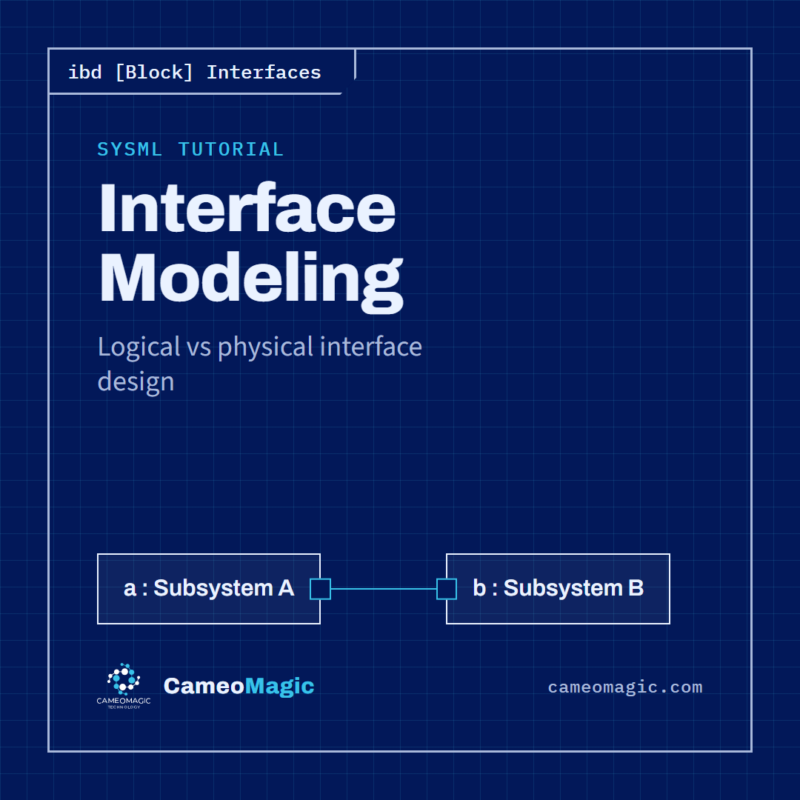
How to Model Interfaces in SysML (Logical vs Physical Design)

Interface modeling is one of the most important — and often confusing — aspects of SysML. In this guide, we walk through multiple ways to model system interfaces using proxy ports, interface blocks, signals, and connectors. Learn the difference between logical and physical interface modeling and how to decide the right level of detail for your system architecture.
Continue reading