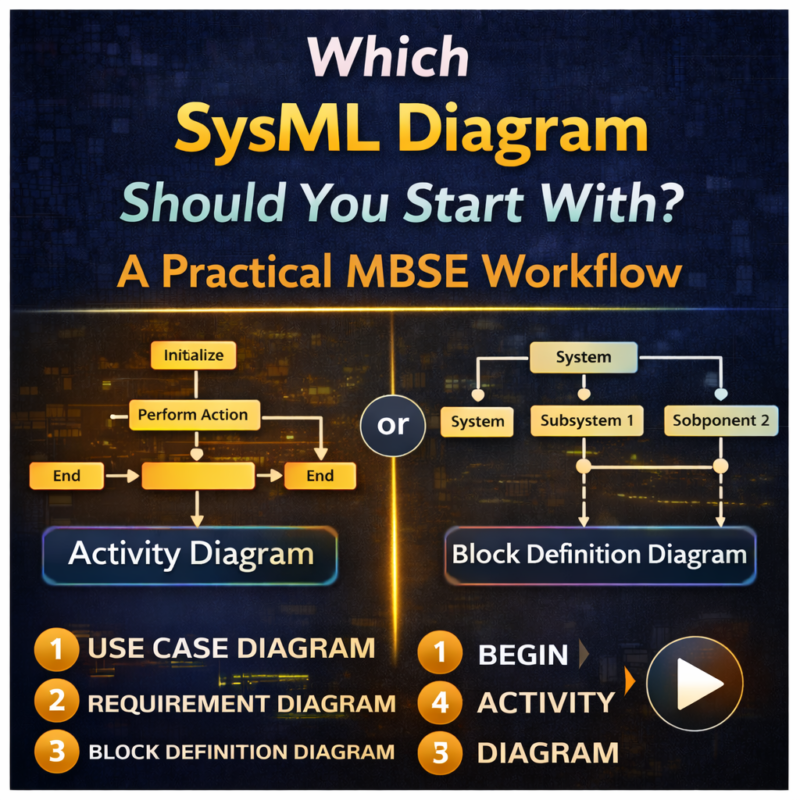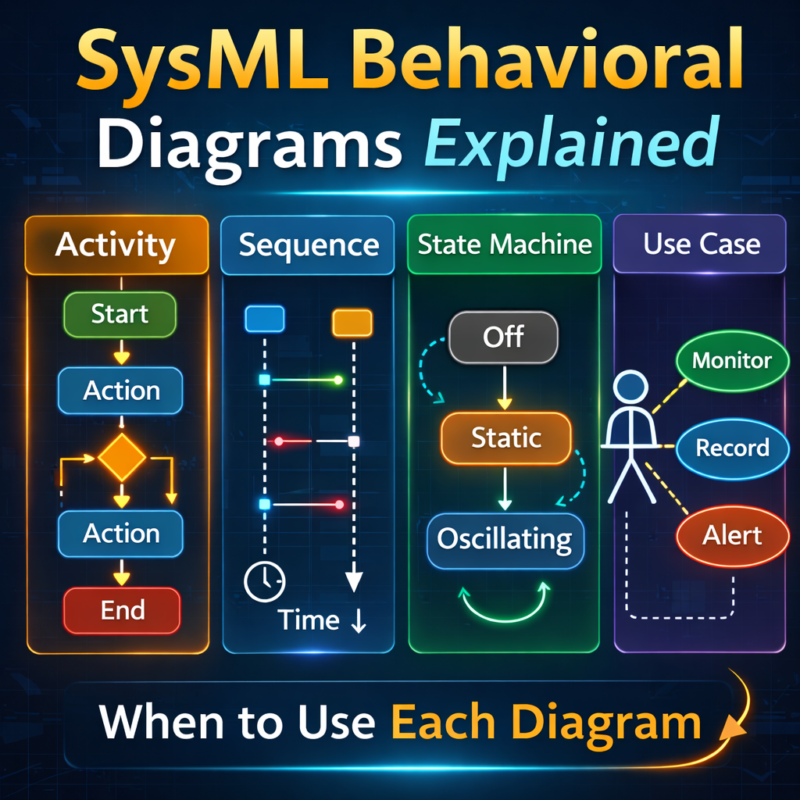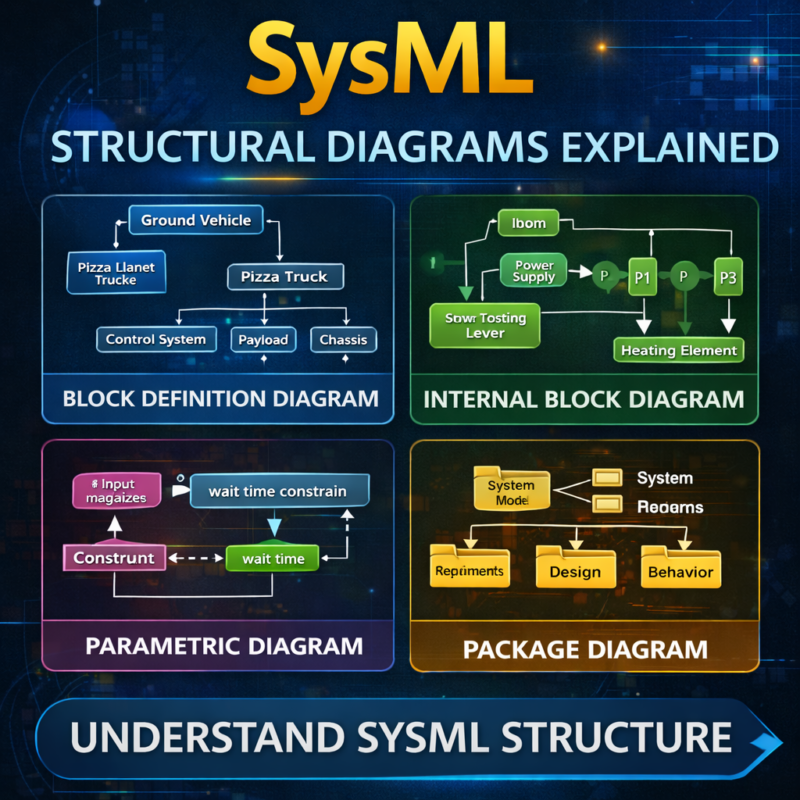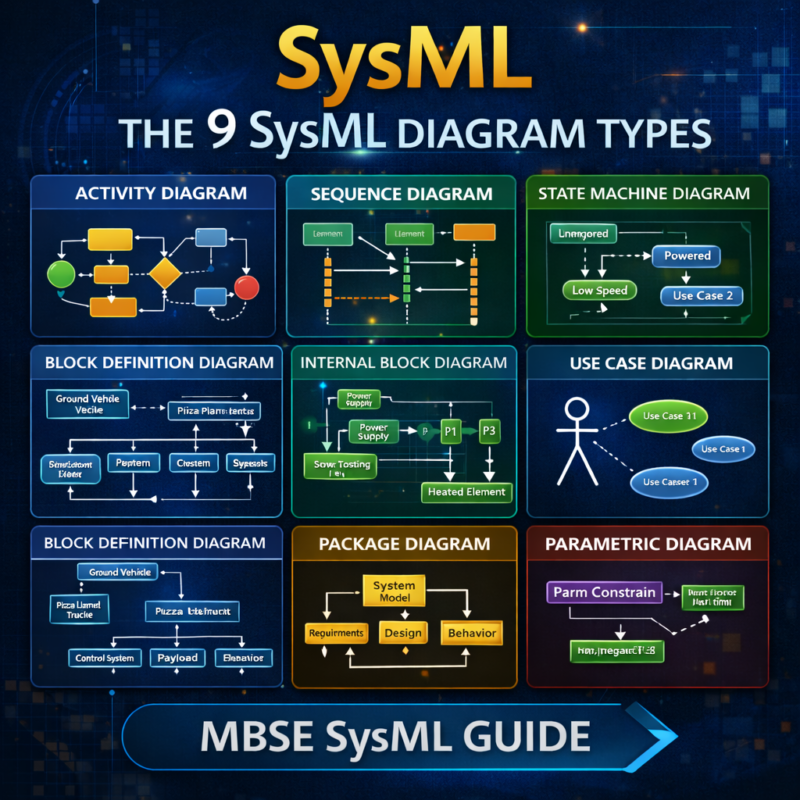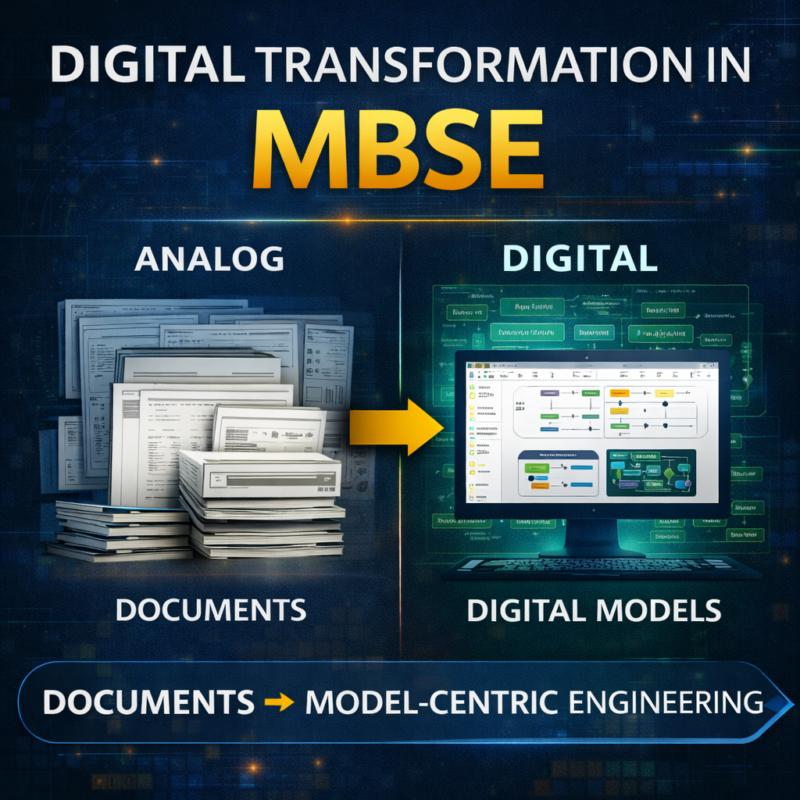


Model-Based Systems Engineering (MBSE) is transforming how complex systems are designed, analyzed, and delivered across industries such as aerospace, defense, and advanced manufacturing. By shifting from document-based processes to structured system models, MBSE enables improved traceability, reduced risk, and more efficient system development.

This page serves as your central resource for understanding MBSE fundamentals, methodologies, and real-world applications. Whether you’re new to MBSE or looking to deepen your expertise, you’ll find practical insights, comparisons, and implementation strategies.

Explore topics including:

  • MBSE vs Traditional Systems Engineering

  • MBSE methodologies and lifecycle integration

  • Benefits of digital models and system traceability

  • Tools and environments used in modern MBSE workflows

Each article below builds toward a complete understanding of MBSE and how it connects to SysML and digital engineering practices.

πŸ‘‰ Looking to implement MBSE or train your team? Visit our consulting and training offerings to get started.

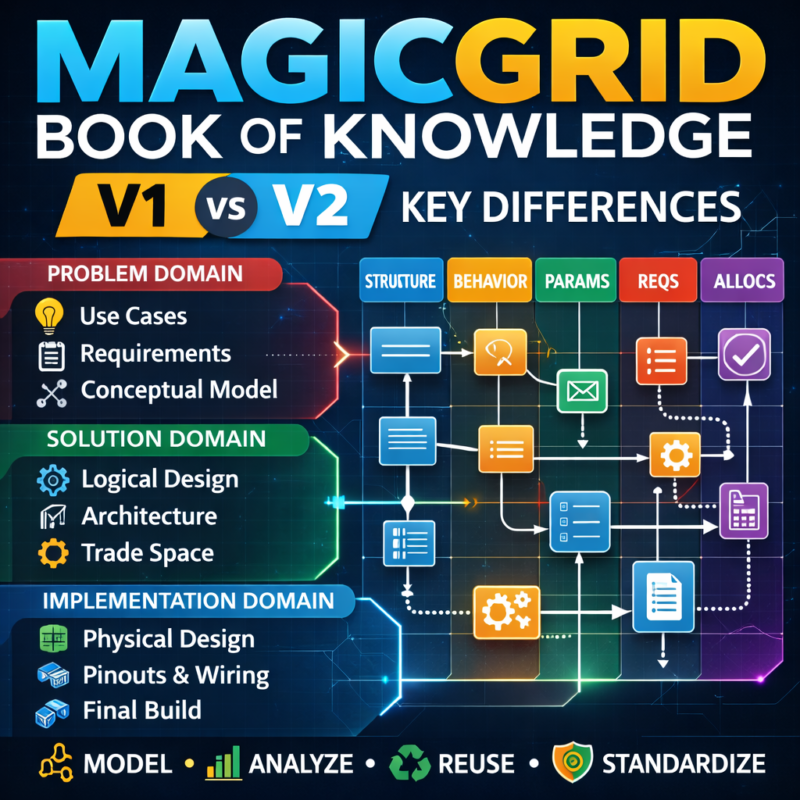
MagicGrid Book of Knowledge: Understanding the Problem, Solution, and Implementation Domains (V1 vs V2)

Learn how the MagicGrid Book of Knowledge structures MBSE models into the Problem, Solution, and Implementation domains. This guide explains the key differences between MagicGrid V1 and V2, common package structures, and why selecting the correct MagicGrid template matters when modeling in SysML and Cameo.

Continue reading