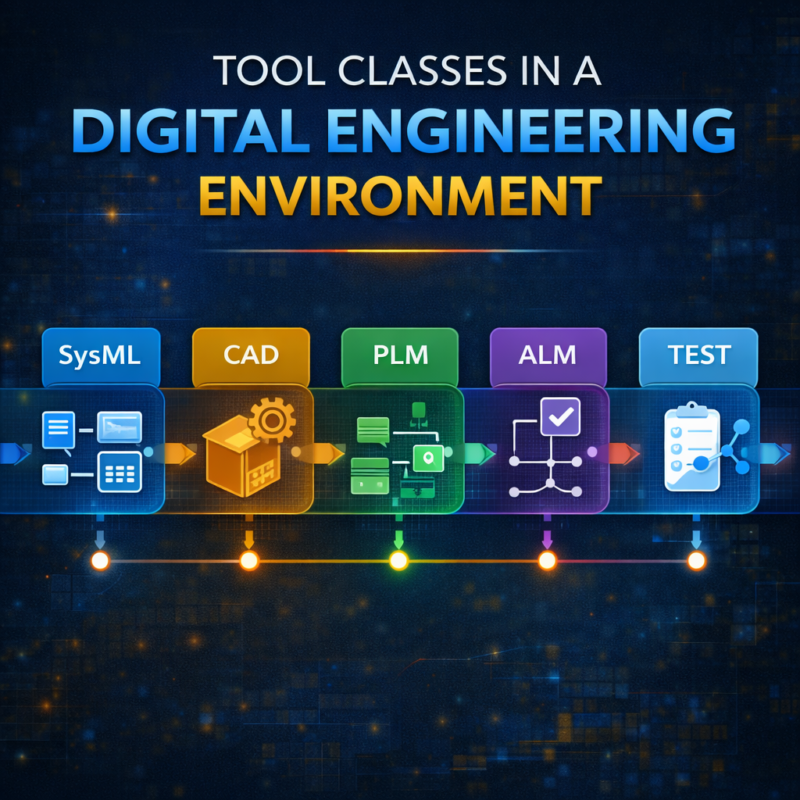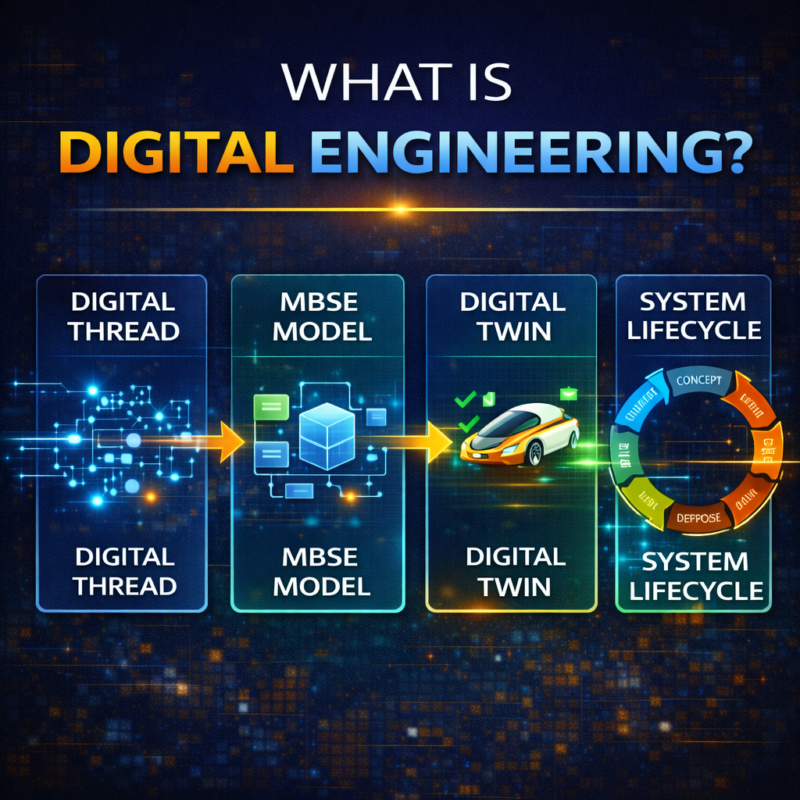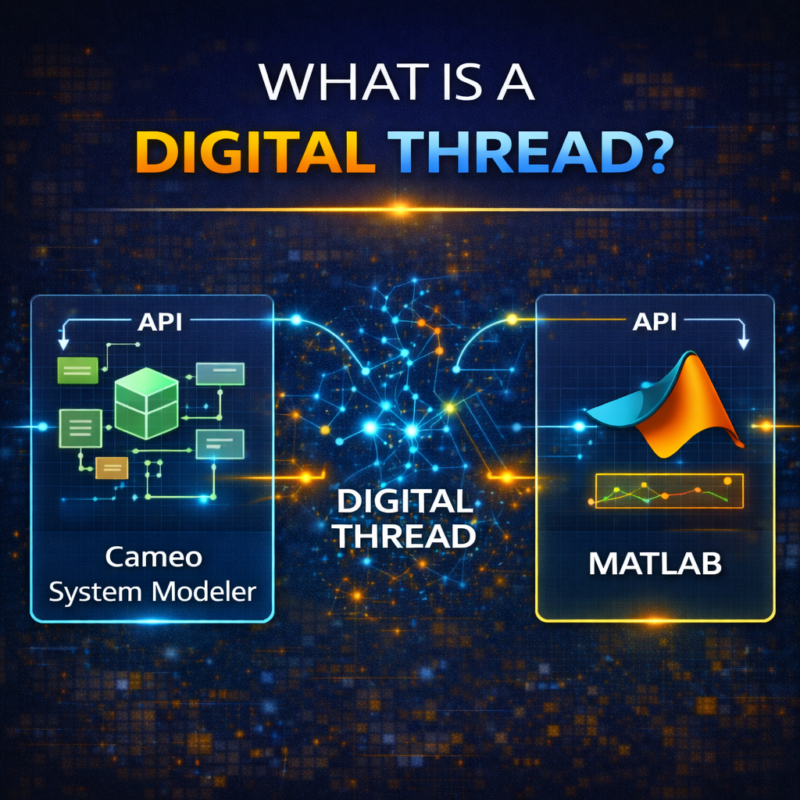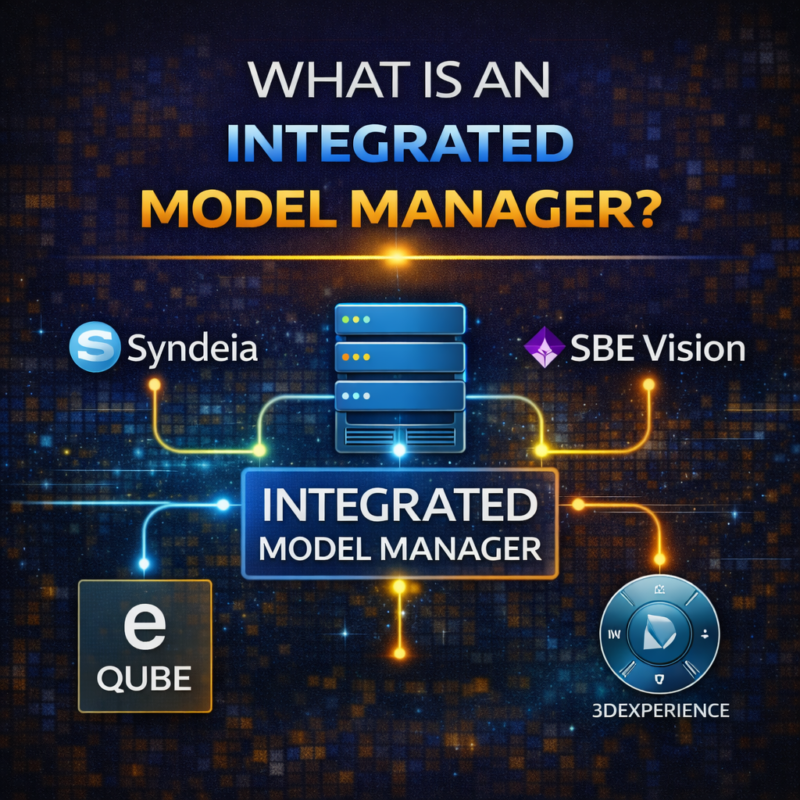

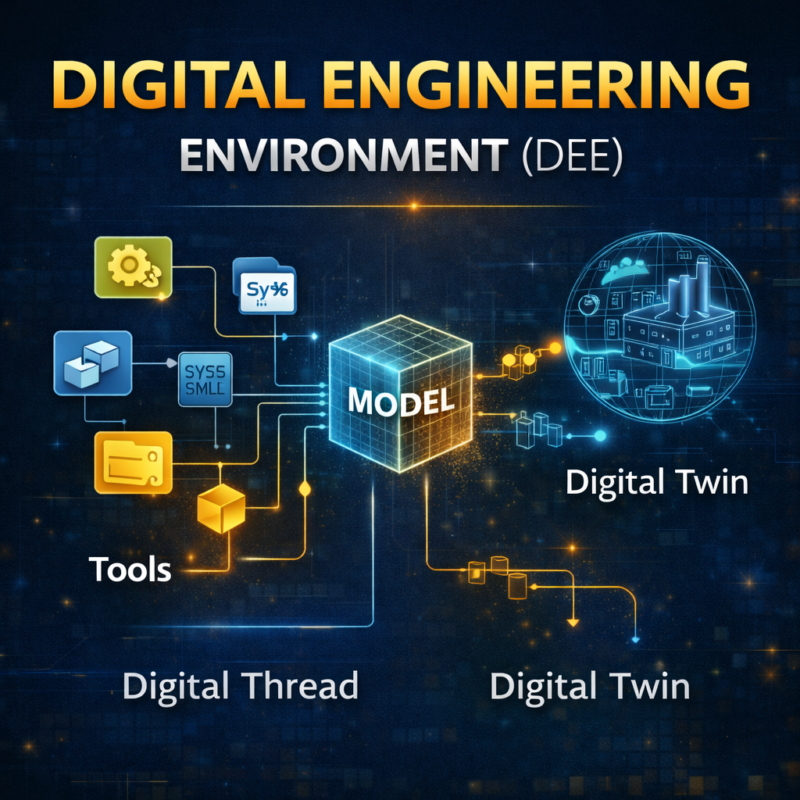
Digital Engineering is the evolution of systems engineering, integrating models, data, and tools into a connected digital ecosystem. It enables organizations to move beyond static documents and toward a dynamic, data-driven approach to system development.

This page introduces the core concepts behind digital engineering and how they support modern acquisition, development, and lifecycle management.

Explore topics including:

  • Digital Engineering Environments (DEE)

  • Digital thread and digital twin concepts

  • Data integration and model interoperability

  • The role of MBSE within digital engineering strategies

These articles provide both foundational knowledge and practical insights into how digital engineering is being applied across defense and industry.

👉 Need help building or scaling your digital engineering environment? Learn more about our consulting services.

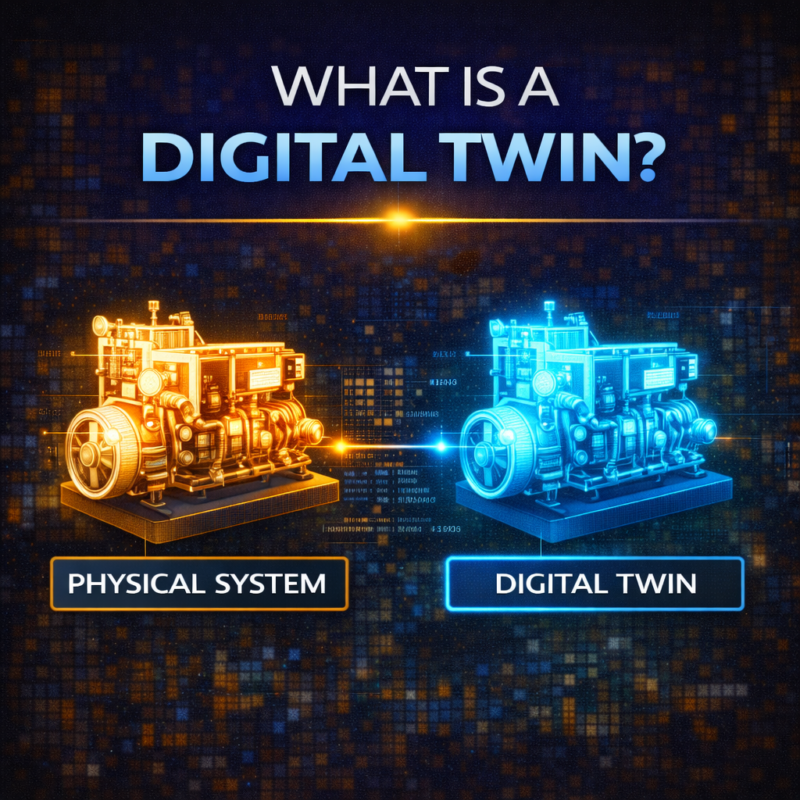
What Is a Digital Twin? Understanding the Difference Between Digital Twins and Systems Models

A digital twin is a high-fidelity digital representation of a specific physical system used to analyze performance, simulate changes, and optimize operations. Learn how digital twins differ from traditional systems models and how they are used in modern digital engineering and MBSE environments.

Continue reading